Get Chimney Cap Installation
Chimney cap installation services help protect your chimney from pests, debris, and water damage by sealing the top with durable covers handled by local contractors.
Property owners considering chimney cap installation often recognize the importance of protecting their homes from weather-related damage, pests, and debris buildup. Properly installed chimney caps can help prevent water leaks, block animals from entering the chimney, and reduce the risk of chimney fires. Exploring local contractors who specialize in chimney cap services allows property owners to compare options and find experienced professionals capable of addressing their specific needs.
For those planning home improvement projects or seeking to maintain their property's safety and functionality, understanding the available local service providers is a practical step. By reviewing local contractors' offerings, property owners can make informed decisions about chimney cap installation and ensure the work aligns with their property’s requirements. Continuing to explore these options can help identify trusted professionals suited to handle the job effectively.
- Chimney cap installation - needed when installing a new chimney cap to prevent debris and pests from entering the flue.
- Chimney cap replacement - required when existing caps are damaged, rusted, or no longer effective.
- Chimney cap repair - necessary if a chimney cap has become loose, cracked, or is missing components.
- Custom chimney cap fitting - sought after when existing caps do not fit properly or need specific features for unique chimney designs.
- Chimney cap upgrades - appropriate when upgrading to higher-quality or more durable caps for improved protection.
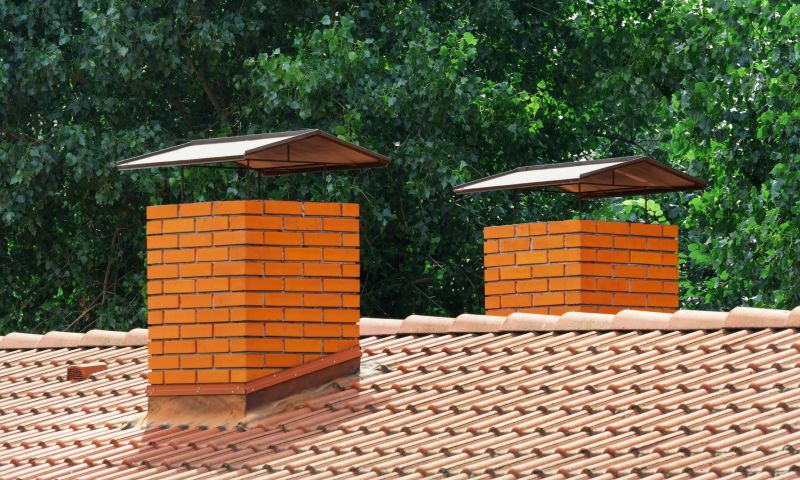
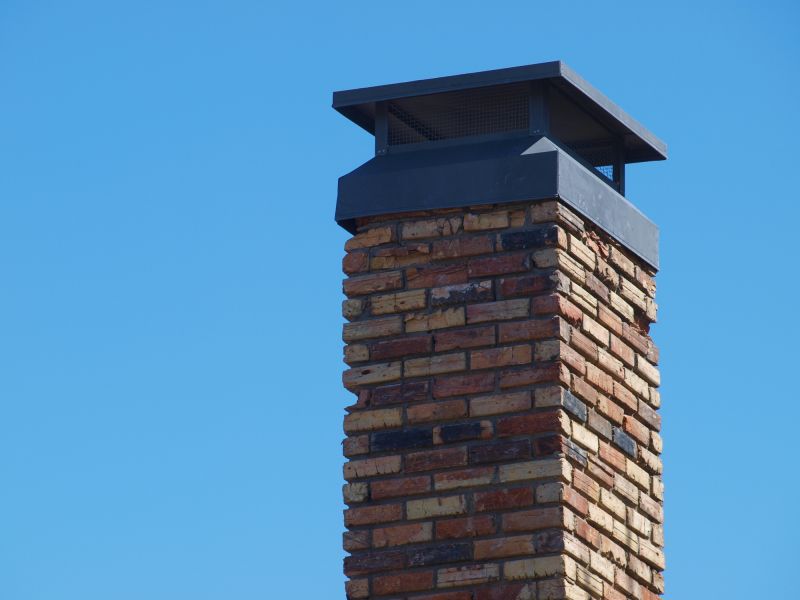
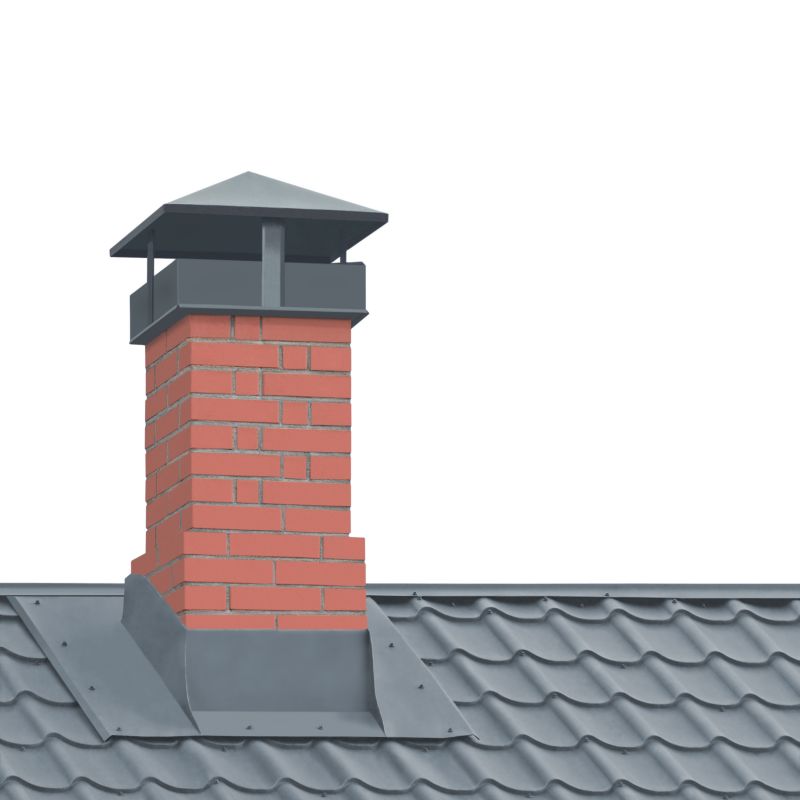
Chimney cap installation is a service that involves fitting a protective cover onto the top of a chimney. This cap serves as a barrier that prevents debris, such as leaves, twigs, and dirt, from falling into the chimney. It also helps keep out animals like birds, squirrels, and raccoons that may try to enter the chimney space. Proper installation ensures that the chimney remains clear and functional, reducing the risk of blockages that can interfere with the proper venting of smoke and gases produced by a fireplace or stove.
This service addresses several common problems associated with unprotected chimneys. Without a cap, a chimney is more vulnerable to water damage, which can cause deterioration of the chimney structure over time. Water intrusion can lead to rusted damper mechanisms, cracked masonry, or rotting of the chimney lining. Additionally, a chimney without a cap is more likely to experience animal intrusion, which can cause blockages or even fire hazards if nests or debris accumulate. Installing a chimney cap provides a simple yet effective solution to these issues, helping to maintain the integrity and safety of the chimney system.
Chimney cap installation is suitable for a variety of property types, including single-family homes, condominiums, and multi-unit residential buildings. It is also commonly recommended for properties with wood-burning fireplaces, pellet stoves, or other appliances that vent through a chimney. Commercial properties with chimneys, such as restaurants or retail spaces with venting systems, may also benefit from professional cap installation. Regardless of the property size, having a properly fitted chimney cap can help prolong the lifespan of the chimney and improve overall safety.
Homeowners often consider chimney cap installation when they notice signs of damage or wear, such as rusted or missing caps, or if they experience frequent blockages or debris buildup. It’s also a proactive step for those looking to prevent water damage or animal intrusion before problems arise. Service providers in the area can assess the condition of existing chimney caps, recommend the appropriate type of cap for the specific property, and handle the installation efficiently. Contacting local contractors ensures the work is done correctly, helping to protect the chimney and enhance the safety of the home.
The overview below groups typical Chimney Cap Installation projects into broad ranges so you can see how smaller, mid-sized, and larger jobs often compare in your area.
In many markets, a large share of routine jobs stays in the lower and middle ranges, while only a smaller percentage of projects moves into the highest bands when the work is more complex or site conditions are harder than average.
Smaller Repairs - Typical costs for minor chimney cap repairs or replacements usually fall between $250 and $600. Many routine jobs in this category are completed within this range, depending on the materials and accessibility.
Standard Installation - Installing a new chimney cap generally costs between $300 and $800. Most local contractors handle these projects within this band, though larger or more complex installations can reach higher prices.
Full Replacement - Replacing an entire chimney cap assembly can range from $600 to $1,200 for standard models. Larger or custom caps for specialized chimneys may cost more, with fewer projects exceeding this range.
Complex or Custom Projects - Custom or highly complex chimney cap installations can cost $1,200 and up, with some larger projects reaching $2,500 or more. These are less common but may be necessary for unique chimney configurations or added features.
Actual totals will depend on details like access to the work area, the scope of the project, and the materials selected, so use these as general starting points rather than exact figures.
Chimney Repair Projects - skilled contractors often use similar tools and planning processes when repairing or replacing damaged chimney components.
Flue Liner Installation - professionals installing or replacing flue liners share expertise in working with chimney structures and ensuring proper venting.
Chimney Waterproofing - waterproofing projects require understanding of chimney materials and sealing techniques, similar to those used in cap installation.
Chimney Sweeping Services - cleaning and maintaining chimneys involve knowledge of chimney systems and safety practices comparable to cap installation.
Venting System Upgrades - upgrading or installing venting systems involves planning and tools similar to those used for chimney cap installation.
Chimney Crown Repair - repairing or replacing chimney crowns requires skills in masonry and structural planning akin to installing chimney caps.
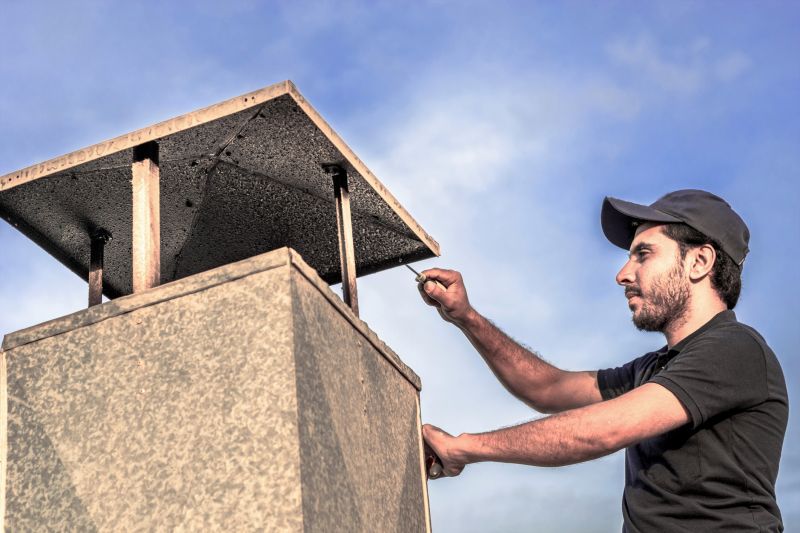
When comparing local contractors for chimney cap installation, it’s important to consider their experience with similar projects. Homeowners should look for service providers who have a proven track record of successfully handling chimney cap installations, especially on homes similar in style and age. An experienced contractor is more likely to be familiar with common challenges and best practices, which can contribute to a smoother process and a quality result. Gathering information about their previous work or asking for examples of completed projects can help gauge their familiarity with the specific requirements of chimney cap installations.
Clear written expectations are essential to ensure that both the homeowner and the service provider are aligned on the scope of work. When evaluating local pros, it’s helpful to request detailed descriptions of what the installation includes, any materials that will be used, and what the process will entail. A reputable contractor should be able to provide transparent information upfront, reducing the chances of misunderstandings or surprises later on. Clear communication about the project helps set realistic expectations and fosters a professional relationship built on trust.
Reputable references and good communication are key indicators of a reliable service provider. Homeowners should seek out local pros who can provide references from previous customers or display positive feedback from past projects. Additionally, responsive and clear communication during the inquiry process can reveal how well a contractor understands customer needs and how effectively they convey important details. While this site introduces homeowners to local options, it’s important to remember that it does not perform the work itself. Instead, it serves as a resource to connect homeowners with qualified local contractors who can handle the chimney cap installation professionally.
Property owners use Chimney Cap Installation services for practical projects around their homes and businesses. This guide focuses on everyday jobs and straightforward project options.
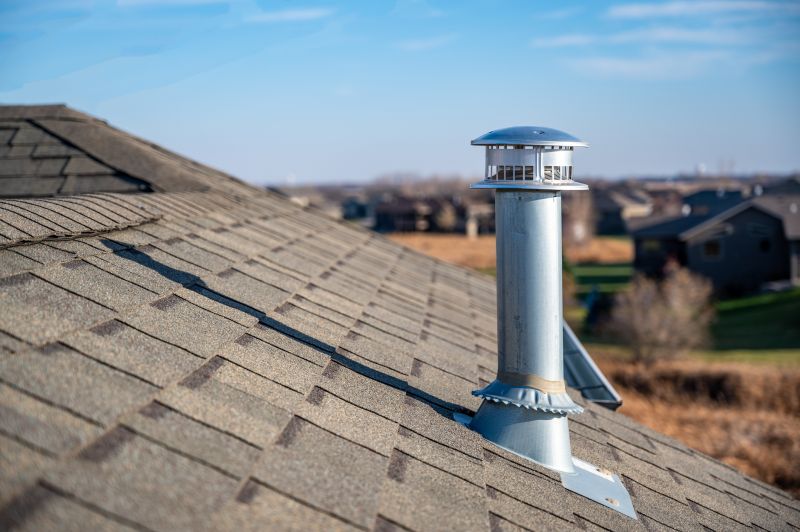
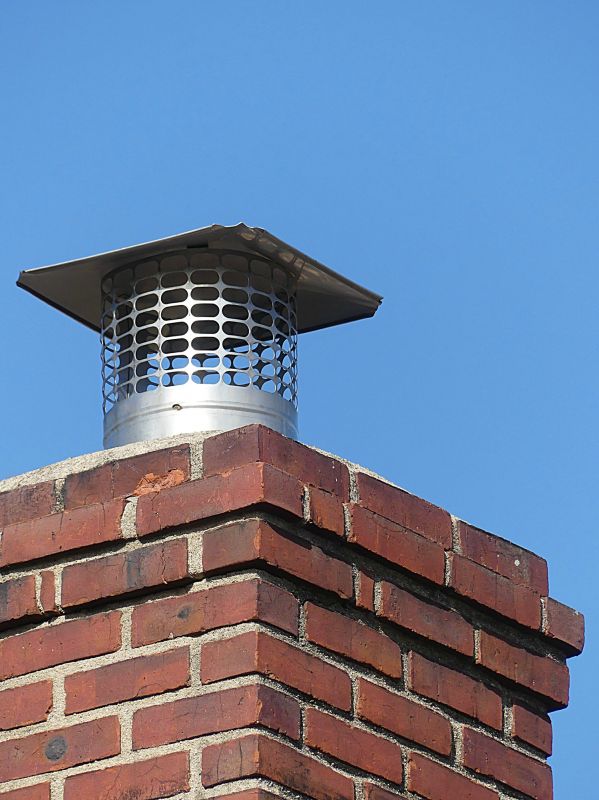
Chimney cap installation is a common project for property owners looking to protect their homes from weather damage, debris, and pests. Local contractors are often called upon when homeowners notice issues such as water leaks around the fireplace, animals nesting in the chimney, or increased debris buildup that hampers proper ventilation. These service providers can help ensure the chimney remains sealed and protected, reducing the risk of costly repairs and maintaining the home's overall safety and function.
Many property owners seek chimney cap installation services as a preventative measure or in response to damage. For example, after a storm or strong winds, a chimney cap might be dislodged or damaged, leaving the chimney vulnerable. Local service providers are available to assess the situation, replace or repair existing caps, and help prevent issues like water intrusion, smoke backdrafts, or pest entry. Connecting with experienced contractors can provide peace of mind that the chimney system is properly protected and functioning as it should.
What is a chimney cap and why is it important? A chimney cap is a cover installed at the top of a chimney to prevent debris, animals, and water from entering. It also helps reduce the risk of sparks escaping, which can be a fire hazard.
How do I know if my chimney needs a new cap? Signs include water leaks, debris buildup, or animal intrusion. A local contractor can assess your chimney to determine if a cap installation is recommended.
What materials are chimney caps typically made of? Common materials include stainless steel, copper, and galvanized steel, chosen for durability and resistance to weather conditions.
Can a chimney cap be installed on any chimney? Most chimneys can accommodate a cap, but a local service provider can evaluate your chimney’s structure to ensure proper fit and installation.
What benefits does installing a chimney cap provide? Installing a chimney cap helps protect the chimney from weather damage, prevents animal entry, and reduces the risk of fire caused by sparks or embers escaping.
Prevent Debris Build-Up - Installing a chimney cap helps keep leaves, twigs, and other debris out of the chimney, reducing the risk of blockages.
Protect Against Animal Intrusions - A chimney cap can prevent birds, squirrels, and other animals from entering and nesting inside the chimney.
Reduce Fire Hazards - Proper cap installation minimizes the chance of sparks escaping from the chimney and igniting nearby materials.
Enhance Chimney Durability - Service providers can install caps that shield the chimney structure from weather-related damage and deterioration.
If you are thinking about Chimney Cap Installation for a property, this guide is meant to help you understand the work, the typical project types, and how different options might fit your plans.
When you are ready, you can use the quote form on this page to share a few details about your project. From there, local pros can review the basics and respond with options that match what you have in mind.